
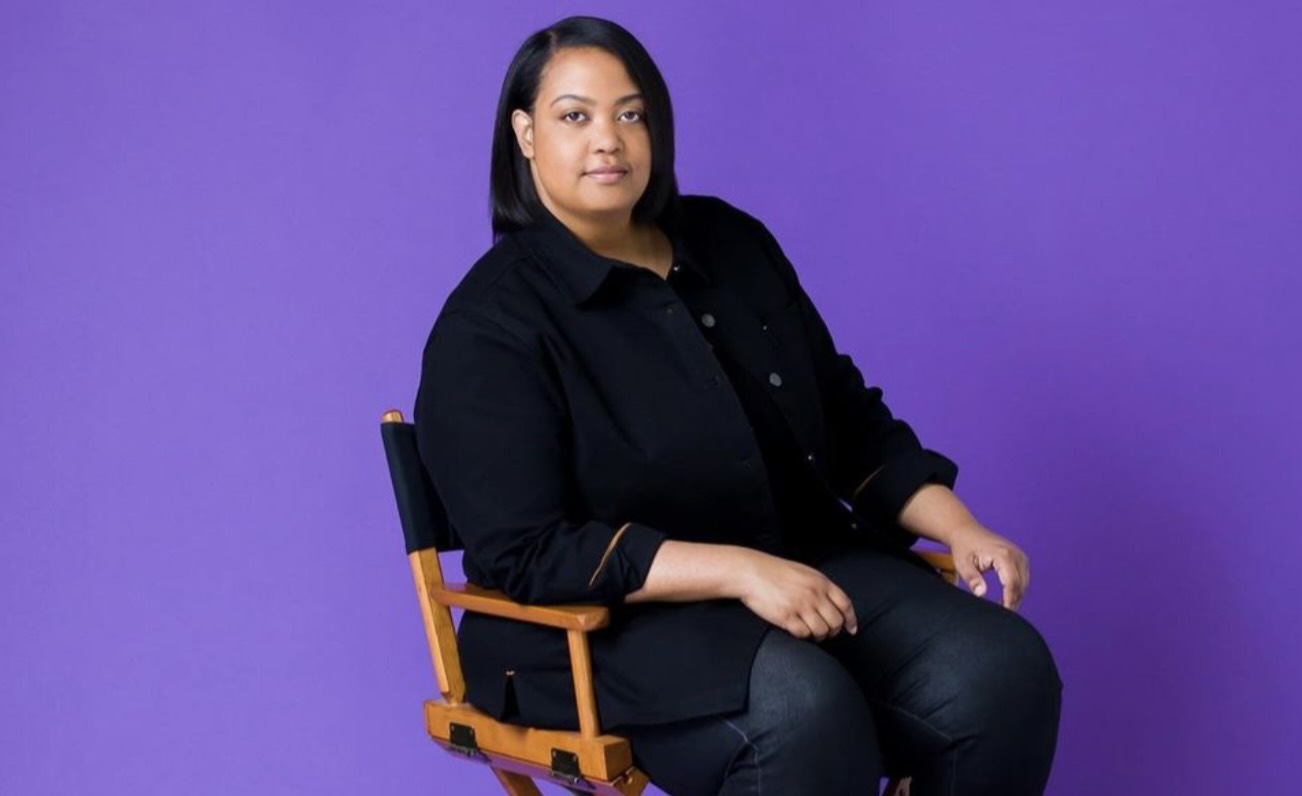
Arlan Hamilton: Black Female Venture Capitalist’s 6 Top Tips
The venture capital world has been irrevocably transformed by one woman who went from sleeping on airport floors to managing a multi-million dollar fund dedicated to underrepresented founders. Arlan Hamilton stands as a beacon of change. From experiencing homelessness to founding Backstage Capital, Hamilton’s journey represents a paradigm shift in how we think about investing, diversity and who gets funded in the tech ecosystem.
As a black female venture capitalist, Hamilton has defied expectations and broken barriers in an industry that has historically excluded those who look like her. Her story is every bit as inspiring as it is revolutionary.
Who Is Arlan Hamilton?
Before becoming known as the founder of Backstage Capital, Hamilton lived a life far removed from the glitzy world of venture capital. Without a college degree and experiencing homelessness just a few years before founding her fund, Hamilton’s path to success was anything but conventional.
Hamilton is one of the most prominent LGBTQ venture capitalists in the industry today. Her identity as a gay Black woman has informed her understanding of what it means to be overlooked despite having tremendous potential. This perspective has shaped her investment philosophy and approach to funding entrepreneurs from underrepresented backgrounds.
In 2015, Hamilton founded Backstage Capital with a mission to invest in startups led by women in tech, people of colour and LGBTQ+ founders. To date, the firm has invested in over 170 companies, proving that backing talent from diverse backgrounds isn’t just the right thing to do – it’s a smart investment strategy.
Hamilton’s book, “It’s About Damn Time,” chronicles her journey from homelessness to becoming a venture capitalist without traditional credentials or connections. The memoir serves as both an autobiography and a call to action for greater inclusivity in tech funding.
The Impact of Representation in Venture Capital
The presence of black women in tech remains disproportionately low, with Black women receiving less than 0.5% of venture funding despite being the fastest-growing demographic of entrepreneurs in the United States. This statistic highlights why Hamilton’s work is so crucial for the ecosystem.
As a black role model in the venture capital space, Hamilton demonstrates what’s possible when barriers to entry are removed and talent is recognised regardless of background. Her success challenges the notion that venture capitalists must come from privileged backgrounds with Ivy League educations.
Women in technology face numerous barriers, from biased funding decisions to hostile work environments. Hamilton’s approach to venture capital acknowledges these challenges while creating pathways to overcome them. Her fund specifically seeks out founders who have been overlooked by traditional venture capital.
The lack of diversity in tech industry is certainly a social issue but it’s also a missed economic opportunity. Studies consistently show that diverse teams outperform homogeneous ones, yet funding continues to flow primarily to companies founded by white men. This disparity is what Hamilton is working to correct.
Arlan Hamilton: Black Female Venture Capitalist
Hamilton’s identity as a black female and also a venture capitalist isn’t incidental to her success – it’s central to her business model. Her lived experience informs her ability to identify promising founders who might be overlooked by others in the industry who don’t share similar experiences.
Despite facing significant challenges, Hamilton has become one of the most influential female tech innovators in Silicon Valley. Her approach to venture capital prioritises not just the business model but the unique perspective and resilience of founders who have had to navigate systems not designed for them.
The journey from homelessness to becoming a successful black venture capitalist is remarkable by any standard. Hamilton’s ability to penetrate an industry known for its exclusivity speaks to both her determination and her vision for what venture capital could be.
As a woman boss role model, Hamilton exemplifies leadership that prioritises empathy, inclusivity and strategic vision. Her management style embraces vulnerability alongside strength – a combination that resonates with founders seeking investors who understand both their businesses and their lived experiences.
6 Tips from Arlan Hamilton for Aspiring Entrepreneurs and Investors
Hamilton has shared numerous insights from her journey that can benefit both entrepreneurs seeking funding and those looking to enter the venture capital world. Here are six of her most powerful lessons:
1. Leverage Your Unique Perspective as a Black Female Venture Capitalist
“Your difference is your superpower,” Hamilton often says. For underrepresented founders and investors, the perspectives gained from navigating systems not designed for them can become a competitive advantage. Rather than trying to conform to traditional venture capital moulds, Hamilton encourages women in STEM and other underrepresented groups to leverage their unique viewpoints.
This approach applies to women in computer science, who often bring different problem-solving approaches based on their lived experiences. The same qualities that might make someone feel like an outsider can actually provide valuable insights into untapped markets and overlooked problems worth solving.
For aspiring women in tech leadership, Hamilton demonstrates that authentic leadership – grounded in one’s true identity rather than an adopted persona – resonates with founders seeking genuine connections with investors. This authenticity becomes particularly important when building relationships with founders from similar backgrounds.
The tech industry needs more female boss role models who demonstrate alternative paths to success. Hamilton’s journey shows that there isn’t a single template for what success looks like in venture capital or entrepreneurship.
2. Recognise That Resilience Is a Valuable Skill
Having faced homelessness before founding Backstage Capital, Hamilton understands resilience intimately. She views the ability to persevere through challenges as a critical qualification for entrepreneurship – one that many underrepresented founders possess in abundance due to navigating structural barriers.
This perspective shifts how she evaluates founders. Rather than seeing lack of privilege as a deficit, she recognises the strength required to overcome systemic obstacles. This appreciation for resilience has led her to identify promising entrepreneurs others might miss.
Hamilton’s approach challenges traditional venture capital’s fixation on pattern matching based on prior success stories that typically feature founders from privileged backgrounds. By recognising alternative paths to success, she expands the definition of what a promising founder looks like.
For black women technology inventors and other innovators from underrepresented groups, this message is particularly resonant. The resilience developed through navigating biased systems becomes an asset rather than a liability when working with investors who recognise its value.
3. Build a Community Around Your Vision
Hamilton didn’t merely create a venture fund – she built a community of supporters, allies and champions who believed in her mission. This approach has amplified her impact far beyond the capital she deploys.
For those interested in workplace diversity initiatives, Hamilton’s community-building offers valuable lessons. By creating spaces where underrepresented founders feel seen and supported, she’s developed a pipeline of opportunities that traditional venture networks miss.
Hamilton’s podcast and active social media presence have helped her reach entrepreneurs who might not have access to traditional venture capital networks. This democratisation of access aligns with her mission to support talented founders regardless of background.
The emphasis on community particularly resonates with female venture capitalists who often find themselves isolated in male-dominated spaces. By creating alternative networks, Hamilton demonstrates how to build power outside existing structures whilst still achieving influence within them.
4. Prioritise Data Over Stereotypes
Hamilton bases her investment decisions on data rather than pattern matching to previous successful founders. This approach allows her to identify opportunities others miss due to unconscious bias.
For innovators in tech from underrepresented backgrounds, this data-driven approach offers hope that their ideas will be evaluated on merit rather than whether they fit preconceived notions of what successful founders look like.
The tech industry’s diversity problems stem partly from reliance on “culture fit” and pattern matching that perpetuates homogeneity. Hamilton’s data-focused approach challenges these practices by demonstrating the financial opportunity in funding diverse founders.
This strategy has particular relevance for women’s contributions to technology, which have historically been undervalued despite their significance. By focusing on metrics rather than stereotypes, Hamilton creates space for recognition of excellence regardless of demographic background.
5. Create the Systems You Wish Existed
Rather than waiting for traditional venture capital to become more inclusive, Hamilton built an alternative system designed specifically to support underrepresented founders. This “create what you need” philosophy applies across industries and contexts.
For those working on tech industry diversity and inclusion initiatives, Hamilton’s approach offers a template for systemic change. Sometimes transforming existing systems proves more difficult than building new ones designed with inclusion as a foundational principle.
Hamilton’s fund demonstrates that empowerment of women and other underrepresented groups in tech doesn’t need to wait for mainstream acceptance. By creating alternative funding pathways, she’s enabled founders to build companies without waiting for traditional venture capital to evolve.
This lesson particularly applies to women who changed tech world throughout history, many of whom succeeded not by conforming to existing systems but by creating new approaches that better served diverse needs and perspectives.
6. Use Your Success to Create Opportunity for Others
Hamilton consistently uses her platform to advocate for others, understanding that true success means creating pathways for those who come after you. This philosophy of “lifting as you climb” is central to her approach to leadership.
For aspiring pioneering women in technology, this commitment to creating opportunity demonstrates how individual success can translate to systemic change when leaders prioritise opening doors for others.
This perspective particularly matters for the few black female role models who achieve prominence in tech. The pressure to represent an entire demographic can be immense, but Hamilton navigates this by explicitly focusing on creating space for others rather than standing as a singular exception.
The concept of success as collective rather than individual advancement resonates with many from underrepresented backgrounds in tech. Hamilton exemplifies how reaching back to pull others forward creates more sustainable change than individual achievement alone.
The Business Case for Diversity in Venture Capital
Beyond the moral imperative for inclusivity, Hamilton makes a compelling business case for diversity in venture capital. By focusing on underrepresented founders, Backstage Capital gains access to markets and opportunities others miss.
Consider these statistics:
- Companies with diverse leadership consistently outperform their competitors
- Women and minority founders often target underserved markets worth trillions
- Diverse teams show greater innovation, creativity and problem-solving capabilities
These data points support Hamilton’s assertion that funding diverse founders isn’t charity – it’s smart business. By recognising talent and opportunity where others don’t look, her fund identifies investment opportunities with significant growth potential.
For the traditional venture capital industry, which prides itself on finding outlier opportunities, the failure to invest in diverse founders represents a massive blind spot. Hamilton’s approach addresses this gap in the market.
The success of funds like Backstage Capital challenges the notion that there’s a trade-off between returns and diversity. Instead, Hamilton demonstrates that identifying overlooked talent can be a competitive advantage in an industry where finding the next big thing before others do is the path to outsized returns.
Challenges and Criticisms
Despite her success, Hamilton faces challenges common to those breaking new ground. Some traditional venture capitalists question whether focusing on underrepresented founders limits her fund’s potential returns – a criticism she counters with data about the performance of diverse teams.
Hamilton has also navigated the complexities of being both an advocate and an investor. The dual roles sometimes create tension, as the expectations placed on her as one of few prominent black female venture capitalists extend beyond what’s typically asked of investors.
The pressure to succeed is heightened by the knowledge that her performance will impact opportunities for others who come after her. This burden of representation creates additional stress not experienced by venture capitalists from well-represented demographics.
Despite these challenges, Hamilton remains committed to her mission. She acknowledges the difficulties whilst refusing to be defined or limited by them – a resilience that inspires the founders she works with.
The Future of Inclusive Venture Capital
Hamilton’s work has inspired a new generation of funds focused on underrepresented founders. Her success demonstrates that the market opportunity in funding diverse entrepreneurs is significant enough to support multiple investment vehicles.
This multiplication effect extends Hamilton’s impact far beyond the capital she directly deploys. By proving the model works, she’s enabled others to raise funds with similar theses, expanding the pool of capital available to underrepresented founders.
For inspiring women in technology looking to create systemic change, Hamilton’s approach offers a template: identify a gap, demonstrate a solution and inspire others to join the movement. This strategy for change leverages limited resources for maximum impact.
The future Hamilton envisions includes venture capital as a tool for creating wealth in communities historically excluded from financial systems. This vision connects investment to broader questions of economic justice and opportunity.
Arlan Hamilton: The Legacy of the Black Female Venture Capitalist’s Revolution
Arlan Hamilton’s journey from homelessness to becoming a celebrated black female venture capitalist represents more than individual success – it demonstrates the possibility of transforming systems from the outside in. Her six lessons offer valuable guidance for both entrepreneurs seeking funding and those looking to create more inclusive investment frameworks.
As women in technology continue to push for greater representation and opportunity, Hamilton’s example provides both inspiration and practical strategies. Her emphasis on authentic leadership, community building and creating alternative systems offers a roadmap for change applicable across industries.
For black women in tech and others from underrepresented backgrounds, Hamilton stands as proof that barriers can be overcome and that difference can become advantage. Her success challenges conventional wisdom about who can thrive in venture capital.
The revolution Hamilton leads is of course about who gets funded, but crucially it’s also about reimagining what venture capital could be if it truly valued innovation in all forms, including the perspectives and experiences of those traditionally excluded from financial systems.
By centering underrepresented founders, Hamilton isn’t merely making venture capital more diverse – she’s making it better at identifying opportunities that others miss. That’s good for founders from diverse backgrounds and it’s fantastic for innovation, problem-solving and returns.
Arlan Hamilton’s story reminds us that sometimes the most powerful innovations don’t come from new technologies but from new perspectives on existing systems. By questioning who gets funded and why, she’s creating space for talented entrepreneurs regardless of background – and demonstrating that inclusion isn’t just the right thing to do, it’s the smart thing to do.


