
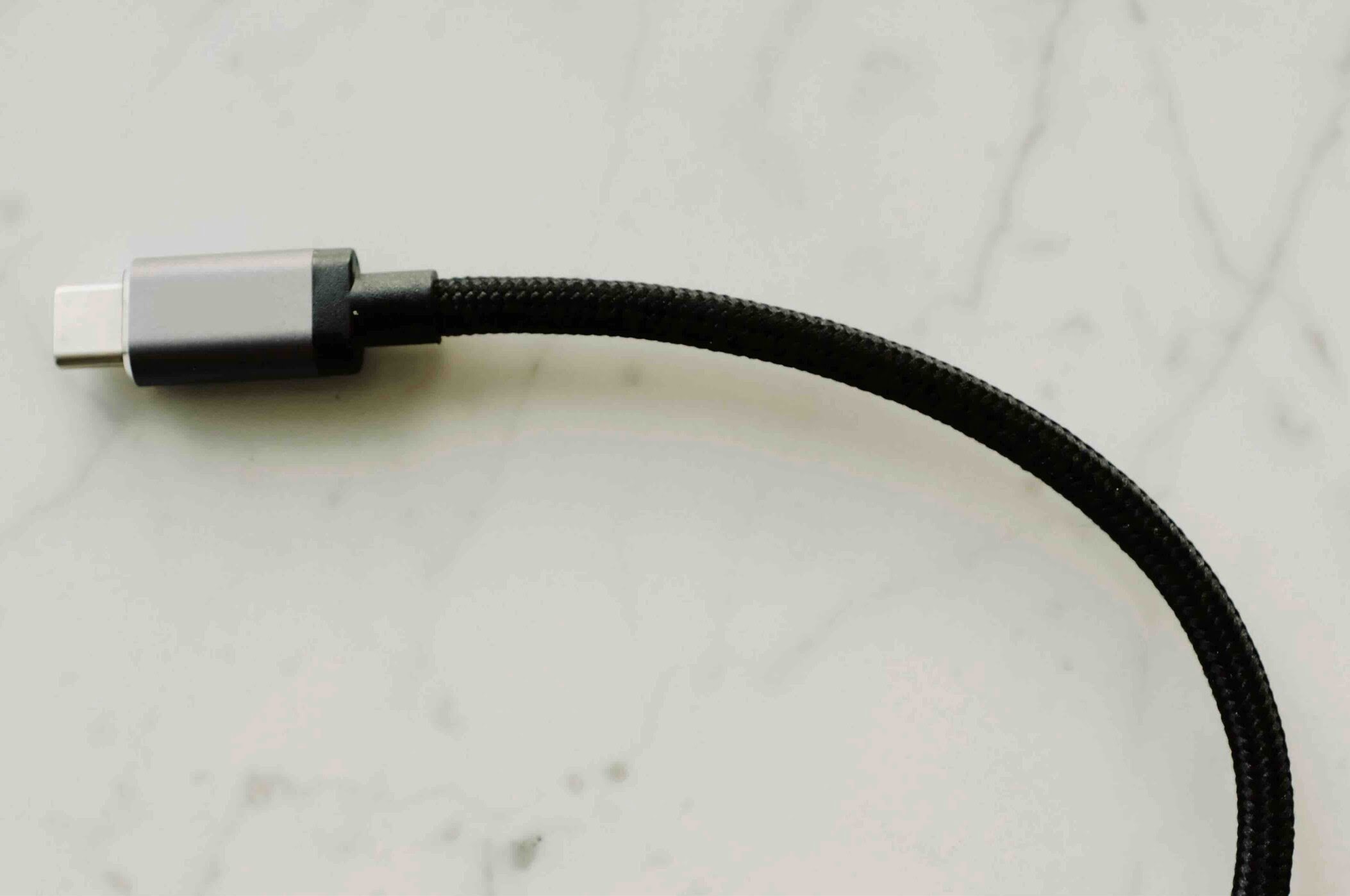
Why USB-C Is Becoming the Universal Standard
One plug to rule them all. USB-C has become a symbol of the tech world’s move towards simplification. Instead of carrying different chargers for each device, many people can now use just one. This shift isn’t just about fewer cables. It’s about making our lives easier, just like how Slotsgem makes playing casino games easy and fun.
No More Right Side Up
Before USB-C, we all struggled with the classic USB-A. You’d try one way. Then flip it. Then flip it again. USB-C ends that problem. You can plug it in any way. That little change helps a lot every day.
Governments Are Getting Involved
Here’s a twist: this shift isn’t just happening on its own. The European Union passed laws that force electronics to use USB-C. They did this to cut down on electronic waste. Now, companies are designing products to fit the law – and it’s affecting global design choices.
Environmental Benefits You Might Not Know About
Less waste. Fewer chargers. These are real perks. When we all use the same standard, we don’t throw out as many old cords. That helps the planet. USB-C supports sustainability in a subtle but important way.
It’s Great for Travellers
Travelling becomes lighter with USB-C. One charger for everything means less mess. No more hunting for cords. It’s super handy, especially when you travel.
Apple’s Shift Tells You Everything
Apple resisted USB-C for years. Then came the iPad Pro. Then the MacBook. And finally, the iPhone 15. Once Apple switched, the industry took note. When a brand that loves its own standards makes the jump, it signals that USB-C is here to stay.
Challenges Still Exist
It’s not all smooth sailing. Not every USB-C cable is made equal. Some only charge. Others support video. Some are fast, while others crawl. That can make people confused. Labels aren’t clear, so you might buy the wrong cord.
Thunderbolt, Power Delivery and Hidden Layers
Under the USB-C umbrella, there’s a world of tech. Thunderbolt 3 and 4 are super fast. USB-PD can charge laptops fast too – up to 100 watts. But it only works if both your cable and device support it. It’s powerful – but still a little messy.
Why Manufacturers Love It
There’s a reason companies are on board. USB-C saves space in design. It supports thinner laptops and smaller devices. It also reduces costs over time, since fewer ports mean less complexity. For manufacturers, USB-C is a win-win.
The End of Proprietary Connectors
Remember mini USB? Micro USB? They’re slowly disappearing. USB-C is phasing them out. Even old-school HDMI ports may lose ground in favour of USB-C with DisplayPort capabilities. The tech world is moving away from brand-specific plugs, and users are benefitting.
Looking Ahead: What Comes After USB-C?
No standard lasts forever. But USB-C is built to adapt. It already supports future-proof features like USB4. That means it can evolve as our needs change. While the next great connector may come one day, USB-C has a long road ahead.
Businesses Are Shifting Too
It’s not just about phones and laptops. Offices are switching to USB-C docks and accessories. This makes it easier to hot-desk or use shared equipment. IT departments also like the simplicity – it’s one less thing to troubleshoot.
Gamers and Creators Are On Board
High-resolution video. Fast data speeds. Low latency. USB-C supports all these things. That’s why gamers and creators like it. USB-C works great with VR headsets, 4K cameras and more.
Charging Across Brands: A Rare Win
One of the best parts? Cross-brand charging. A Samsung charger can power a Google Pixel. A MacBook can be topped up with a Dell cable. This doesn’t happen often in tech. USB-C is breaking down old walls.
Check out more of our technology posts here.


