
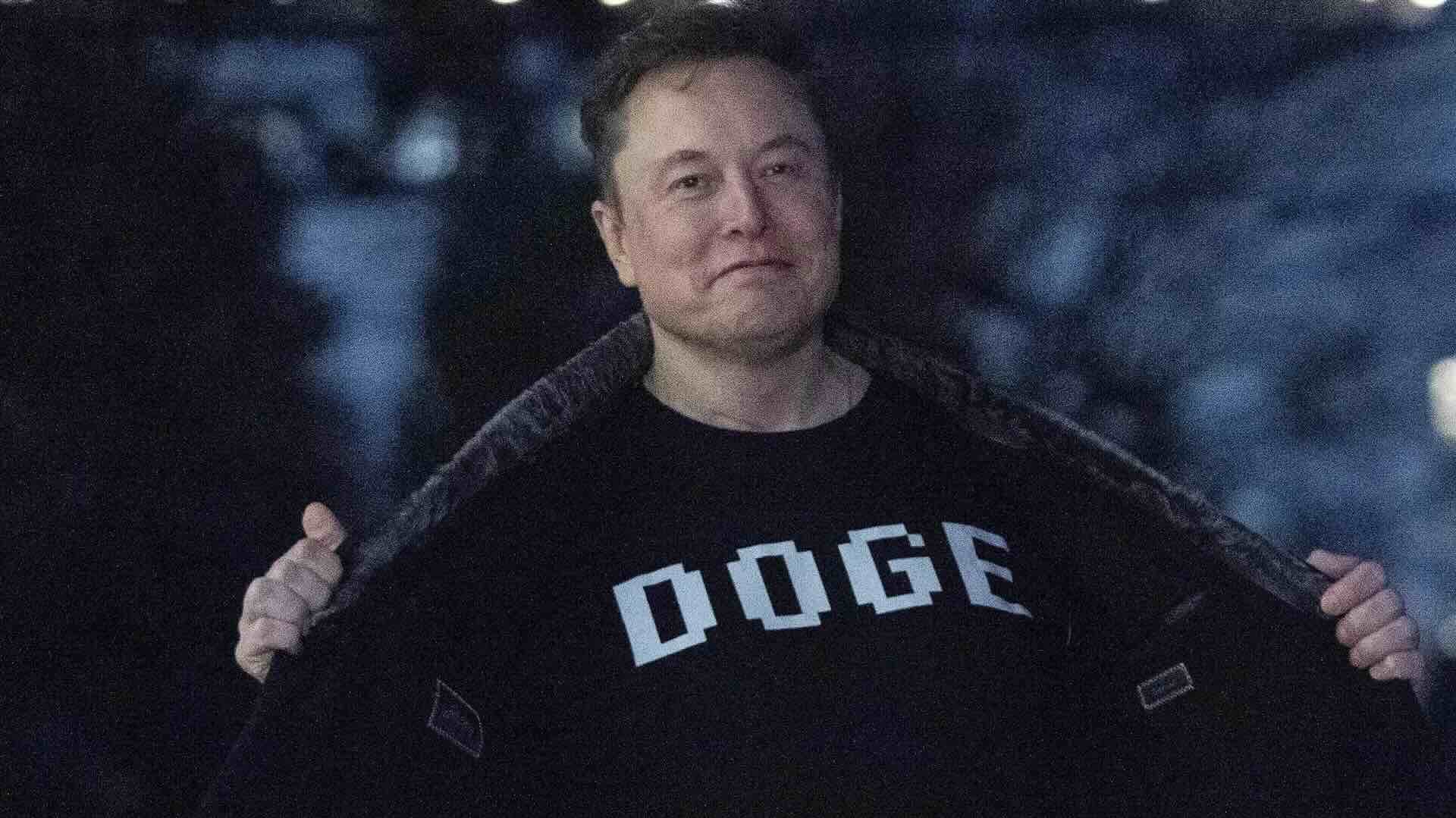
Elon Musk’s Net Worth 2025: Will He Become a Trillionaire?
The world watches with fascination – and sometimes horror – as Elon Musk continues his ambitious journey across multiple industries. From electric vehicles to space exploration, brain-computer interfaces to artificial intelligence, Musk’s ventures span an impressive portfolio that could potentially make him the world’s first trillionaire. This comprehensive look at Musk’s business empire will explore how his various companies are performing in 2025 and what the future might hold for this extraordinary entrepreneur.
The Astonishing Growth of Elon Musk’s Net Worth 2025
Elon Musk’s net worth 2025 has become a topic of intense speculation and interest among investors and the general public alike. Having reached a peak of $486 billion in December 2024, Musk experienced significant fluctuations in his fortune, with his wealth decreasing to approximately $330 billion by March 2025. These fluctuations reflect the volatile nature of his various business ventures, particularly Tesla, which has seen considerable market capitalisation changes. While some financial analysts predicted Musk would achieve trillionaire status this year, recent market corrections have delayed this milestone.
The composition of Musk’s wealth has shifted dramatically in recent years. Whereas Tesla stock once represented the majority of his fortune, his SpaceX holdings have now become his most valuable asset. This diversification has provided some stability to Elon Musk’s net worth 2025, even as individual companies face challenges in their respective markets.
Tesla: Challenges and Opportunities
Once the crown jewel of Musk’s empire, Tesla stock price prediction has become increasingly difficult as the company navigates a competitive landscape. Tesla’s market capitalisation fell from approximately $1.5 trillion in December 2024 to between $700 billion and $880 billion by March 2025, reflecting investor concerns about increased competition in the electric vehicle market and regulatory scrutiny of Tesla’s autonomous driving technology.
The Tesla Q1 2025 earnings report revealed some concerning trends, with revenue of $19.34 billion representing a 9.23% year-over-year decline. The company missed earnings expectations, posting an EPS of $0.27 against analyst projections of $0.41. During the earnings call, Musk addressed production setbacks and the impact of his government role on Tesla’s operations.
Despite these challenges, Tesla continues to make strides in certain markets. The Tesla Model Y has become the most common vehicle in Norway, highlighting the company’s strength in regions with strong electric vehicle adoption. Additionally, Tesla Cybertruck RWD production is now in full swing at Giga Texas, representing a new product category for the company. Tesla stock price prediction remains positive for the long term, with many analysts seeing the current downturn as a temporary setback in an otherwise robust growth story.
SpaceX: The New Crown Jewel
SpaceX valuation 2025 has reached unprecedented heights, with the company now worth approximately $350 billion. This makes Musk’s 42% stake in SpaceX worth around $147 billion, although Bloomberg applies an illiquidity discount for private holdings, valuing his stake at roughly $136 billion. Remarkably, SpaceX has overtaken Tesla as Musk’s most valuable asset in terms of dollar value.
The company’s business fundamentals support this massive valuation. SpaceX’s 2024 revenue was an estimated $13.1 billion, representing nearly a 50% increase from the previous year. About $8.2 billion of this revenue came from its Starlink satellite internet division, which now serves over 4 million subscribers worldwide. The remainder comes from rocket launch services and other projects, including nearly $4.2 billion in launch revenue.
SpaceX also holds nearly $20 billion in US government contracts for NASA missions and military launches. One of the most significant projects is NASA’s collaboration with SpaceX to use their Starship to land astronauts on the Moon’s South Pole during the Artemis III mission. While initially targeted for 2024, the SpaceX Starship Moon landing has been delayed to no earlier than 2027, reflecting the technical challenges of such ambitious space exploration endeavours.
The SpaceX Falcon 9 rocket continues to be the workhorse of the company’s launch fleet, with regular missions carrying satellites, supplies to the International Space Station and other payloads. The reliability and reusability of the Falcon 9 have revolutionised the space launch industry, dramatically reducing the cost of accessing space and enabling SpaceX valuation 2025 to reach such extraordinary levels.
xAI: The Artificial Intelligence Play
xAI Grok chatbot represents Elon Musk’s return to the artificial intelligence arena after his departure from OpenAI. Founded in July 2023, xAI launched the Grok chatbot later that year to compete with other leading AI chatbots, including Anthropic’s Claude and OpenAI’s ChatGPT. At the time, xAI touted that Grok’s real-time internet knowledge enabled it to launch with just two months of training.
The xAI valuation has surged dramatically, with secondary market transactions indicating a valuation of $96 billion as of March 2025. This represents a 110.1% increase since the November 2024 US presidential election. Recent fundraising efforts have sought to establish a “proper valuation” for the AI startup, with reports suggesting xAI is seeking to secure up to $6 billion at a $50 billion valuation.
In March 2025, xAI merged with Musk’s social media platform X in an all-stock deal. For this transaction, Musk valued xAI at $80 billion and X at $33 billion, highlighting the significant worth he places on his AI venture. The xAI Grok chatbot continues to evolve, with the release of Grok 3 in February 2025 representing a significant upgrade to the platform’s capabilities.
xAI and Nvidia recently joined a $30 billion AI Infrastructure Partnership backed by BlackRock, Microsoft, and Abu Dhabi AI investment group MGX, with the ultimate goal to raise up to $100 billion for AI development. This partnership aims to build the next generation of AI-ready data centres and support the escalating demands of generative AI models, positioning xAI valuation for continued growth in the coming years.
Neuralink: The Brain-Computer Interface Pioneer
Neuralink human trials have captured global attention as the company works to develop implantable brain-computer interfaces. In its last known fundraising round in 2021, Neuralink raised $205 million, valuing the company at approximately $2 billion. By mid-2023, secondary market transactions indicated a valuation of around $5 billion. More recently, Forge Global estimated Neuralink’s valuation at approximately $9.32 billion.
Shares of Neuralink were trading on the secondary market at a valuation that was 25% higher in March 2025 compared to November 2024, reflecting investor enthusiasm for the company’s progress. This growth in valuation came after reports that some Neuralink staffers were making preparations to sell the brain implant company’s stock following its valuation jump after its first human trial.
The Neuralink human trials represent a significant milestone for the company, demonstrating the feasibility of its brain-computer interface technology. While still in early stages, these trials have shown promising results that could eventually lead to treatments for neurological conditions and enhanced human-computer interaction. Regulatory oversight remains stringent, ensuring that patient safety is prioritised throughout the development process.
The Boring Company: Infrastructure Innovation
The Boring Company tunnels represent Musk’s attempt to revolutionise urban transportation through underground infrastructure. Unlike Musk’s other private companies, The Boring Company experienced a 7.8% decline in secondary market valuation since the November 2024 election, suggesting investor scepticism about the tunnel-digging enterprise’s near-term prospects.
Despite this setback, The Boring Company continues to pursue projects in various locations, seeking to demonstrate the viability of its tunnelling approach for reducing traffic congestion. The company’s tunnel-boring technology aims to significantly reduce the cost and time required for underground construction, potentially transforming urban infrastructure development.
The Boring Company tunnels face regulatory and logistical challenges in many jurisdictions, contributing to slower-than-anticipated progress on some high-profile projects. Nevertheless, the company continues to refine its technology and business model, seeking opportunities to prove the concept at scale.
Musk’s Government Role and Its Impact
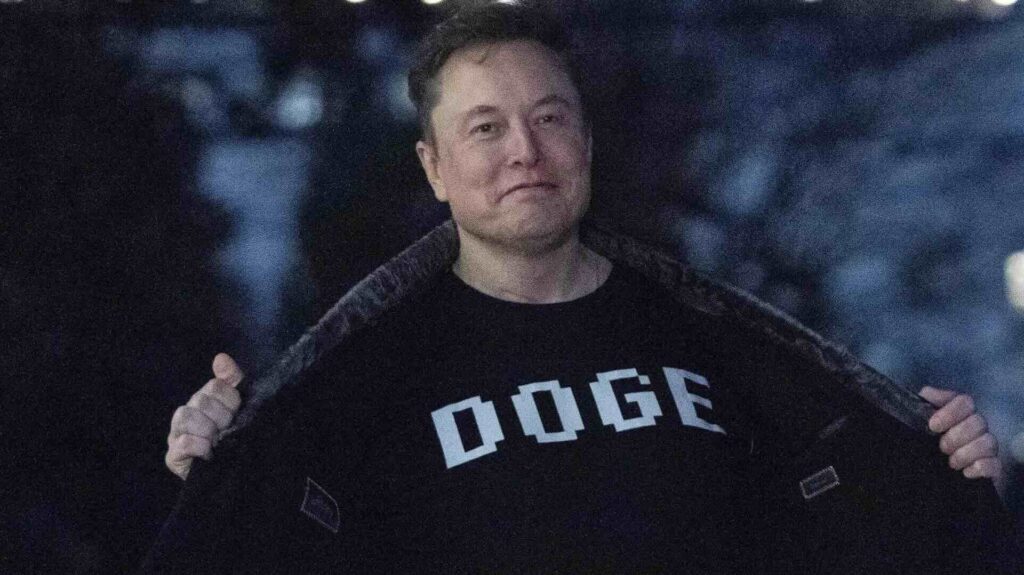
Musk’s appointment as head of the Department of Government Efficiency (or DOGE, a nod to the cryptocurrency he has often promoted) under President Trump has been a source of both opportunity and controversy. This role has seen Musk focus on reducing government spending and streamlining bureaucratic processes, aligning with his entrepreneurial approach to solving complex problems.
However, this government position has also led to criticism and potential conflicts of interest, particularly regarding Tesla. Production setbacks and public criticism over Musk’s role as head of the cost-cutting Department of Government Efficiency have contributed to a reversal of Tesla’s post-election stock gains. From its all-time high of nearly $480 in December 2024, Tesla’s share price plummeted by almost 50%, trading at around $246 per share by March 2025.
Recent reports suggest that Musk might be stepping back from his government role to refocus on his businesses. According to the White House Chief of Staff, Musk is now a “remote DOGE worker,” indicating a reduced time commitment to his government responsibilities. This shift may allow him to devote more attention to his various companies, potentially addressing investor concerns about his divided focus.
The Path to Trillionaire Status
The question of whether Elon Musk trillionaire status will be achieved in 2025 remains open. For this milestone to be reached, several factors would need to align. Tesla shares would need to increase by approximately 50%, and SpaceX would need to triple in value. Additionally, xAI would need to reach a valuation of around $200 billion, while X would need to increase to about $100 billion in value.
These ambitious targets highlight the extraordinary growth required across Musk’s portfolio to achieve trillionaire status. While the combined value of Musk’s privately held companies increased by 45% following the November 2024 US presidential election, substantial additional growth would be needed to reach the trillion-dollar threshold.
Musk’s cryptocurrency investments, including Bitcoin, Ether and Dogecoin, estimated between $500 million and $1 billion, could also contribute to his net worth growth, particularly if cryptocurrency markets experience significant appreciation. However, these represent a relatively small portion of his overall wealth compared to his major company stakes.
Elon Musk: Private Companies vs Public Tesla
An interesting trend has emerged in 2025: while Tesla’s stock has experienced significant volatility, Musk’s private companies have generally seen their valuations soar. This divergence reflects the different investor perceptions and market dynamics affecting public versus private assets.
Tesla, as a public company, faces constant scrutiny from analysts, shareholders and regulators. Quarterly earnings reports and production figures are dissected in detail and any disappointment can lead to substantial stock price movements. In contrast, Musk’s private companies benefit from less frequent valuation assessments and greater control over information disclosure.
SpaceX, Neuralink, xAI and (to a lesser extent) The Boring Company have all experienced valuation increases in secondary markets, even as Tesla’s stock declined. This suggests that investors may be more optimistic about the long-term potential of these private ventures than about Tesla’s near-term growth prospects in an increasingly competitive electric vehicle market.
Tesla Autonomous Driving Technology: Promise and Scrutiny
Tesla autonomous driving technology remains one of the company’s most ambitious and controversial initiatives. Tesla’s Full Self-Driving (FSD) software continues to evolve, with regular updates improving its capabilities. However, regulatory scrutiny has increased, particularly regarding safety claims and marketing practices.
Investors became sceptical in early 2025 as regulators questioned the safety of Tesla’s autonomous software. This scrutiny, combined with increasing competition in the self-driving technology space, contributed to Tesla’s stock decline. Nevertheless, Tesla continues to collect vast amounts of real-world driving data, potentially giving it an advantage in developing and refining its autonomous systems.
The promise of Tesla autonomous driving technology remains significant. If the company can achieve true autonomous capabilities and secure regulatory approval, it could transform the automotive industry and create substantial new revenue streams through robotaxi services and software licensing. However, the timeline for achieving these goals remains uncertain, contributing to market volatility.
The Future of Elon Musk’s Empire
As we look toward the remainder of 2025 and beyond, Musk’s business empire continues to present both extraordinary opportunities and significant challenges. The diversification of his wealth across multiple ventures provides resilience against setbacks in any single company, while his continued innovation across industries creates potential for further growth.
Whether Elon Musk trillionaire status will be achieved in 2025 remains uncertain, but his impact on space exploration, electric vehicles, artificial intelligence and infrastructure development is undeniable. As SpaceX pushes the boundaries of space travel, Tesla revolutionises transportation, xAI advances artificial intelligence and Neuralink explores brain-computer interfaces, Musk’s vision continues to shape multiple industries.
For investors, enthusiasts and casual observers alike, tracking Musk’s ventures offers a glimpse into potential futures shaped by technological innovation and entrepreneurial ambition. While not every initiative will succeed, the breadth and boldness of Elon Musk’s endeavours ensure his continued relevance in the global business landscape and as one of the most influential people not only in tech but also in politics and countless other sectors.


