
Jensen Huang’s Leadership Style at Nvidia: 9 Key Takeaways
While countless executives have claimed their corner of the technology industry, only a handful have fundamentally reshaped the digital landscape in the way Nvidia’s founder has. Among the most influential people tech has ever seen, Jensen Huang has transformed a graphics card company into an AI powerhouse worth over a trillion dollars. But what makes his approach to leadership so effective? This comprehensive analysis explores the unique elements of Jensen Huang’s leadership style at Nvidia and offers valuable insights for aspiring business leaders.
The Extraordinary Journey of One of the Most Influential Business Leaders
Before we get into the specifics of his leadership approach, it’s important to understand the context of Huang’s remarkable journey. Born in Taiwan and raised in Thailand before moving to the United States as a child, Huang embodies the archetypal immigrant success story. After studying electrical engineering at Oregon State University and Stanford, he co-founded Nvidia in 1993, reportedly sketching initial plans at a Denny’s restaurant.
Among famous people in tech, Huang stands out not just for creating a successful company, but for continuously reinventing it. Under his guidance, Nvidia evolved from a graphics card manufacturer to a central player in artificial intelligence, autonomous vehicles and high-performance computing. This ability to pivot and expand has solidified his reputation as one of the innovators in tech whose vision extends far beyond immediate market opportunities.
Jensen Huang’s Leadership Style at Nvidia: The Foundation
At its core, the way in which Huang leads combines technical expertise with bold vision and relentless execution. Unlike many tech CEOs who come from either purely technical or business backgrounds, Huang maintains deep involvement in both product development and strategic direction.
His leadership philosophy prioritises innovation, calculated risk-taking and maintaining a culture of excellence. These principles have guided Nvidia through multiple industry transitions and positioned the company at the forefront of the AI revolution.
1. Visionary Thinking with Practical Implementation
The first key takeaway from Jensen Huang’s leadership style at Nvidia involves his exceptional ability to balance long-term vision with practical execution. While many leaders excel at either generating big ideas or managing day-to-day operations, Huang demonstrates remarkable proficiency in both domains.
How did Jensen Huang start Nvidia with such foresight? From the beginning, he recognised that visual computing would transform technology. However, his vision wasn’t merely theoretical – he implemented concrete steps to position Nvidia advantageously at each technological inflection point. This combination of visionary thinking and practical implementation represents one of the key traits of successful leaders who build enduring companies.
When contemplating the different leadership styles prevalent in Silicon Valley, Huang’s approach stands out for integrating technological expertise with business strategy. He doesn’t simply delegate technical decisions; he remains deeply engaged with Nvidia’s technological direction while simultaneously steering its business strategy.
2. Radical Transparency and Direct Communication
The second notable element of his leadership approach is his commitment to radical transparency. Unlike leaders who shield employees from difficult realities, Huang believes in sharing challenges openly. This transparency extends to his communication style, which employees describe as refreshingly direct.
This approach represents one of the key leadership strategies that distinguishes truly exceptional executives. By fostering an environment where truth prevails over politics, Huang creates authentic alignment around company goals. Employees understand not just what they’re doing but why it matters to Nvidia’s larger mission.
Former Nvidia employees often cite this transparency as both challenging and empowering. The directness can sometimes feel uncomfortable, but it eliminates ambiguity and creates clarity of purpose. For those exploring the secret to being a good leader, this balance between honesty and respect offers valuable guidance.
3. Technical Depth Combined with Business Acumen
Among the traits of successful leaders in technology, few maintain the level of technical engagement that Huang demonstrates decades into his career. Even as Nvidia has grown to become one of the world’s most valuable companies, he continues to participate in detailed product discussions and technological decisions.
This technical depth grants him credibility with Nvidia’s engineering teams while his business acumen enables strategic market positioning. The combination allows Huang to make informed bets on emerging technologies, as evidenced by Nvidia’s early and substantial investments in artificial intelligence.
When examining Jensen Huang’s vision for AI future, this technical-business integration becomes particularly apparent. He recognised AI’s transformative potential before it became mainstream and directed Nvidia’s resources accordingly. This decision ultimately positioned the company as the primary provider of the computational infrastructure powering today’s AI revolution.
4. Cultural Architect Focused on Innovation
The fourth key aspect of Jensen Huang’s leadership style at Nvidia involves his role as a cultural architect. Huang has deliberately fostered a culture that prizes innovation, intellectual honesty and technical excellence. This culture serves as a competitive advantage, attracting and retaining exceptional talent.
Within Nvidia, employees understand that challenging conventional thinking is not merely permitted but expected. This cultural emphasis on innovation aligns with research identifying organisational culture as a critical factor in sustained business success.
For executives exploring successful leadership tips, Huang’s cultural stewardship offers valuable lessons. By establishing clear values and consistently reinforcing them through both words and actions, he’s created an environment where innovation flourishes.
Strategic Elements of Leadership
Beyond these foundational aspects, Huang’s leadership includes several strategic elements that have enabled Nvidia’s remarkable growth and resilience.
5. Long-term Orientation Despite Market Pressures
The fifth component of his approach involves maintaining a long-term perspective despite quarterly market pressures. Throughout Nvidia’s history, Huang has made significant investments that initially appeared questionable but ultimately delivered extraordinary returns.
Jensen Huang’s early life and education may have contributed to this perspective. Having immigrated to the United States and worked his way through the technology industry, he developed patience and persistence that continue to influence his leadership approach. This long-term orientation represents one of the traits of successful leaders who build enduring companies rather than chasing short-term results.
When examining how to be respected as a leader, this willingness to make difficult decisions with delayed payoffs stands out. By resisting pressure for immediate returns in favour of strategic positioning, Huang has earned both internal respect and external recognition.
6. Strategic Bet-making and Resource Allocation
The sixth noteworthy aspect involves Huang’s approach to strategic betting and resource allocation. Rather than spreading investments thinly across multiple opportunities, he concentrates resources on carefully selected areas where Nvidia can establish leadership positions.
This focus becomes evident when examining who founded Nvidia in 1993 and how they navigated the company’s evolution. From initially focusing exclusively on graphics processing units (GPUs) to strategically expanding into artificial intelligence, Huang has consistently made concentrated bets rather than pursuing diversification for its own sake.
For leaders examining different leadership styles, this concentrated betting approach offers a compelling alternative to the more diversified strategies employed by many technology companies. By developing deep expertise in specific domains rather than superficial capabilities across many, Nvidia has created sustainable competitive advantages.
7. Adaptability Without Compromising Core Identity
The seventh element of Jensen Huang’s leadership style at Nvidia involves maintaining adaptability without losing core identity. Throughout Nvidia’s history, the company has navigated multiple industry transitions while maintaining its engineering-focused culture and commitment to visual computing.
This adaptability becomes particularly apparent when examining how did Jensen Huang start Nvidia compared to its current position. What began as a graphics card company has evolved into an AI computing powerhouse, yet the underlying commitment to accelerated computing remains consistent. This balance between adaptation and consistency represents one of the key leadership strategies for navigating industry evolution.
For executives exploring the secret to being a successful leader in rapidly changing industries, this combination of flexibility and identity preservation offers valuable lessons. By adapting to market changes while maintaining core strengths, organisations can evolve without losing their distinctive capabilities.
Personal Dimensions of Leadership
Beyond strategic elements, several personal dimensions of Huang’s leadership have contributed significantly to Nvidia’s success.
8. Symbolic Leadership and Personal Branding
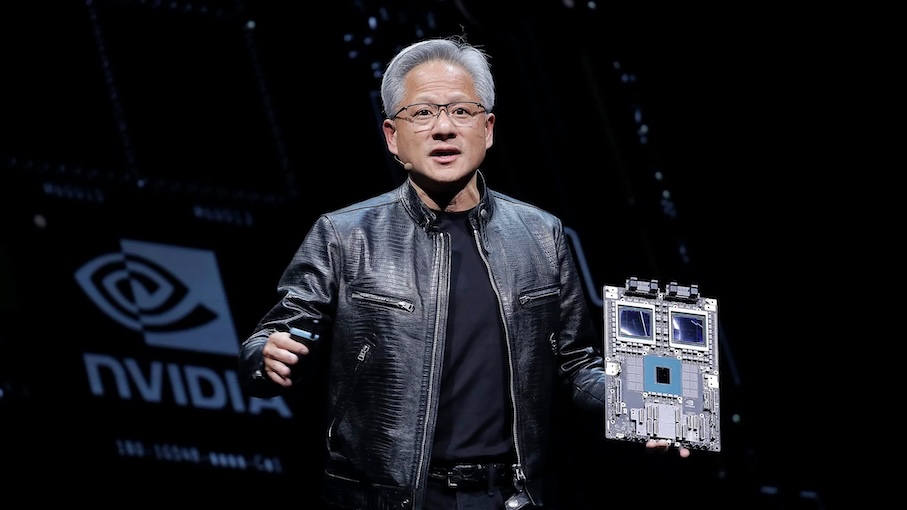
The eighth component of his leadership approach involves his effective use of symbolic leadership and personal branding. From his iconic black leather jacket to his energetic product announcements, Huang has created a distinctive personal brand that embodies Nvidia’s values.
Jensen Huang’s famous leather jacket has become more than a fashion choice – it’s a symbol of consistency and focus that employees and investors recognise immediately. This symbolic dimension of leadership is often overlooked in discussions of successful leadership tips, yet it significantly influences how stakeholders perceive both the leader and the organisation.
For leaders considering how to be respected as a leader, this authentic self-presentation offers guidance. Rather than adopting a generic executive persona, Huang demonstrates that embracing personal authenticity can enhance rather than diminish leadership effectiveness.
9. Intellectual Humility Combined with Conviction
The final key takeaway from Jensen Huang’s approach to leading involves his combination of intellectual humility with strong conviction. While maintaining unwavering commitment to Nvidia’s strategic direction, he remains open to new information and willing to revise his thinking when evidence warrants.
This intellectual flexibility represents one of the most valuable traits of successful leaders in rapidly evolving industries. By remaining open to new evidence while maintaining strategic conviction, Huang navigates the challenging balance between consistency and adaptation.
When examining different leadership styles, this combination of humility and conviction stands out as particularly effective for technology companies. It enables organisations to maintain strategic direction while adjusting tactical approaches based on emerging information.
The Impact on Company Success
The results of Huang’s leadership approach speak for themselves. Under his guidance, Nvidia has achieved remarkable financial performance, technological innovation and market influence. From 2016 to 2023 alone, Nvidia’s stock price increased more than 3,000%, reflecting the market’s recognition of the company’s strategic positioning and execution.
More importantly, Nvidia has established itself as the foundational infrastructure provider for artificial intelligence, positioning the company at the centre of what may become the most significant technological transition of our era. This positioning directly reflects Jensen Huang’s vision for AI future and his strategic investment decisions.
Implications for Aspiring Leaders
For executives studying the secret to being a good leader, Jensen Huang’s leadership style at Nvidia offers several valuable lessons:
- Technical expertise combined with business acumen creates powerful leadership credentials in technology companies.
- Radical transparency, while sometimes uncomfortable, builds organisational trust and alignment.
- Long-term orientation, despite market pressures, enables strategic investments that may not deliver immediate returns.
- Concentrated betting on carefully selected opportunities often outperforms diversified approaches.
- Adaptability balanced with core identity enables evolution without losing distinctive capabilities.
- Symbolic leadership and authentic self-presentation enhance stakeholder perception and organisational culture.
- Intellectual humility combined with strategic conviction enables both consistency and appropriate adaptation.
These lessons apply beyond the technology sector. Leaders in various industries can adapt elements of Huang’s approach to their specific contexts, particularly his commitment to transparency, long-term thinking and cultural stewardship.
Tech Company Diversity Leadership: Huang’s Broader Impact
Beyond Nvidia’s direct success, Huang has made significant contributions to tech company diversity leadership. As one of the most successful Taiwanese American tech CEOs success stories, he represents the valuable contributions of immigrants to America’s technology ecosystem.
Through both personal example and organisational policies, Huang demonstrates the competitive advantages of diverse leadership. This dimension of his impact extends beyond Nvidia, influencing industry conversations about inclusion and representation.
For organisations considering the secret to being a successful leader in increasingly diverse markets, Huang’s example highlights how embracing diverse perspectives strengthens both innovation and market understanding.
The Future of Leadership in Technology
As artificial intelligence transforms industries, leadership approaches will necessarily evolve. The qualities that have made Huang’s approach so effective – technical depth, strategic clarity and adaptability – will likely become even more valuable as technology becomes increasingly central to business strategy.
The rise of AI may paradoxically increase the importance of distinctly human leadership qualities like ethical judgment, long-term thinking and cultural stewardship. As algorithmic decision-making expands, these human dimensions of leadership may become key differentiators.
Leadership Lessons: The Enduring Principles of Huang’s Approach
The way in which Jensen Huang leads his team at Nvidia offers valuable insights for current and aspiring leaders across industries. By combining technical expertise with strategic vision, radical transparency with respect, and adaptability with core identity, he’s created one of the world’s most valuable and influential technology companies.
The nine key takeaways explored in this analysis – visionary thinking with practical implementation, radical transparency, technical depth with business acumen, cultural architecture, long-term orientation, strategic betting, adaptability with identity preservation, symbolic leadership and intellectual humility with conviction – provide a framework for understanding his distinctive approach.
For executives seeking to enhance their leadership effectiveness, these elements offer not a template to copy but principles to adapt to their specific contexts. By understanding and appropriately applying these principles, leaders across industries can develop approaches that combine the best of Huang’s leadership principles with their own organisational needs and personal strengths.
In a business environment characterised by rapid technological change and increasing complexity, this combination of visionary thinking, practical execution and ethical stewardship provides a valuable model for 21st-century leadership.


